Dissolved Oxygen
Disolved Oxygen
Showing 1–20 of 39 results
End of Content.
End of Content.
Dissolved oxygen (DO) is a measure of how much oxygen is dissolved in a system. Measurements are usually taken in water using a DO probe and meter. Measurements taken follow Henry’s Law, which states that the concentration of gas in a solution is directly proportional to the partial pressure of that gas above the solution. Henry’s Law constant is a factor of proportionality, and so is specific to the gas in the solvent being measured.
The partial pressure of oxygen is in fact a measurement of the thermodynamic activity of its molecules. The rate at which oxygen dissolves, diffuses, and reacts is not determined by its concentration, but by its partial pressure. The Earth’s atmosphere is composed of 20.9% oxygen, and at sea level the atmosphere is 100% saturated with oxygen.
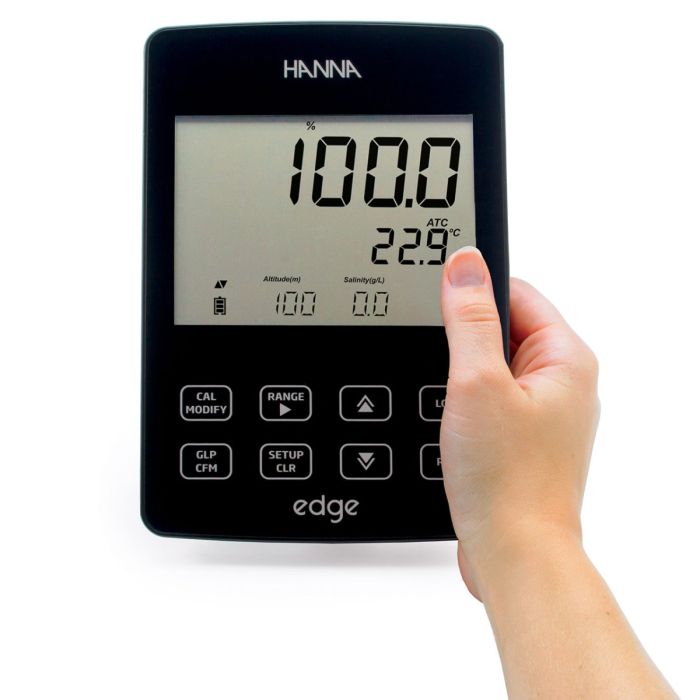
Percent saturation is the amount of DO present per amount of DO possible at a given temperature and pressure. Percent saturation is a common unit for DO measurement since it is based upon the partial pressure of a gas; thus it is correct for determination in any solvent.
Concentration measurements of DO can also use the units of parts per million (ppm) or milligrams per liter (mg/L). In meters that report DO concentration in ppm or mg/L, the solvent is always assumed to be water. In other solvents such as oils or acids, the Henry’s Law constant would be different. In those cases, percent saturation should be used as it is incorrect to use ppm or mg/L.
As the temperature of a solution increases, the particle movement within that solution increases. With greater particle motion, dissolved gases escape more readily from solution. In warm water oxygen is less soluble, while in cold wateroxygen is more soluble. DO concentration in air saturated waters decreases with increasing temperature.
Water quality measurements are vital to environmental monitoring. In quiescent lakes and rivers, the decay of organic matter can cause bacteria levels to increase. The aerobic bacteria consume oxygen, triggering a deficiency that can cause a water body “to die,” killing aquatic plants and animals.
Aquaculture is the breeding, rearing, and harvesting of plants and animals in all types of water environments. Dissolved oxygen is needed by fish, zooplankton, and plants to survive and reproduce. DO measurements are used to monitor and control the environment required for success.
Wastewater treatment plants rely on bacteria to break down the organic compounds found in water. If the amount of dissolved oxygen in the wastewater is too low, these bacteria will die and septic conditions will occur. The amount of DO must be consistently monitored to ensure proper waste treatment.
Wine and beer are both affected by oxygen at various stages during production and storage. DO is an important parameter to monitor for those who wish to produce consistent, high quality products.
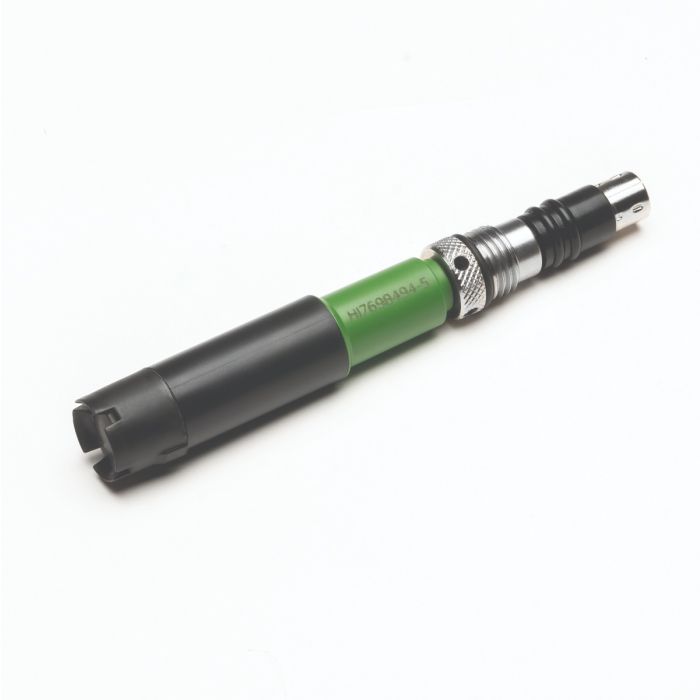
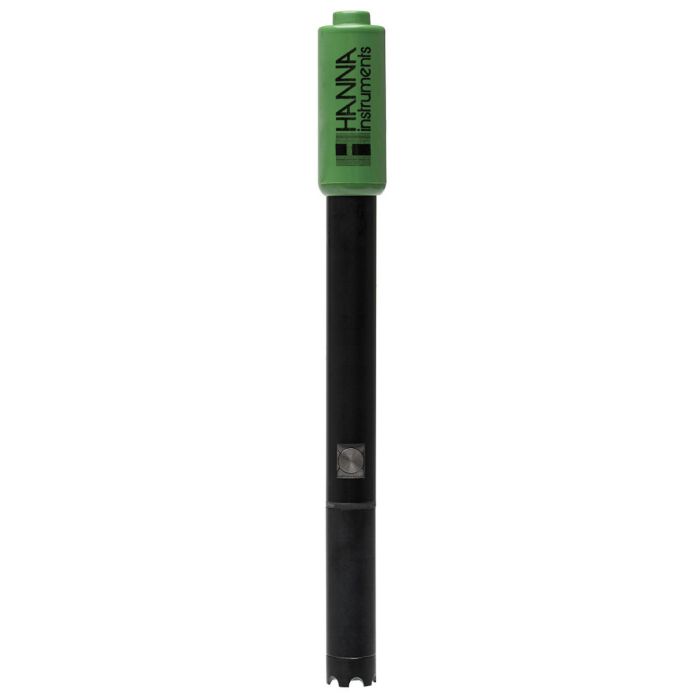
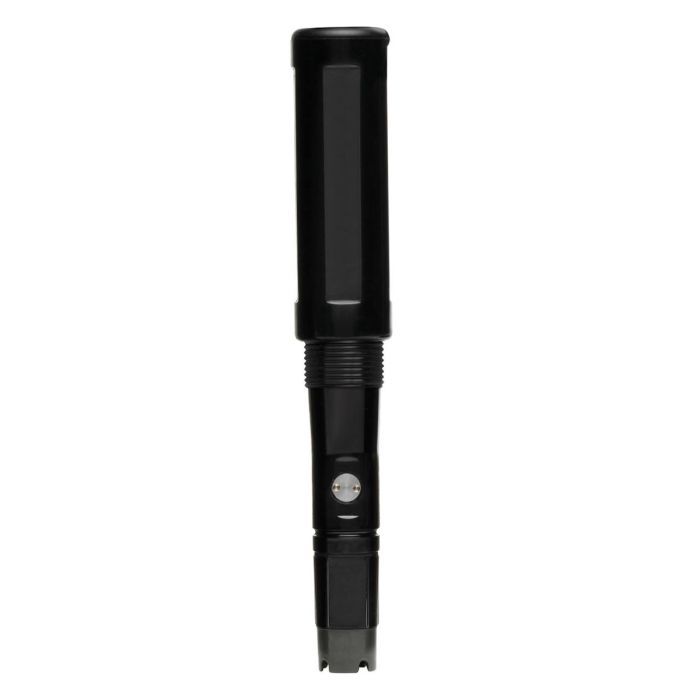
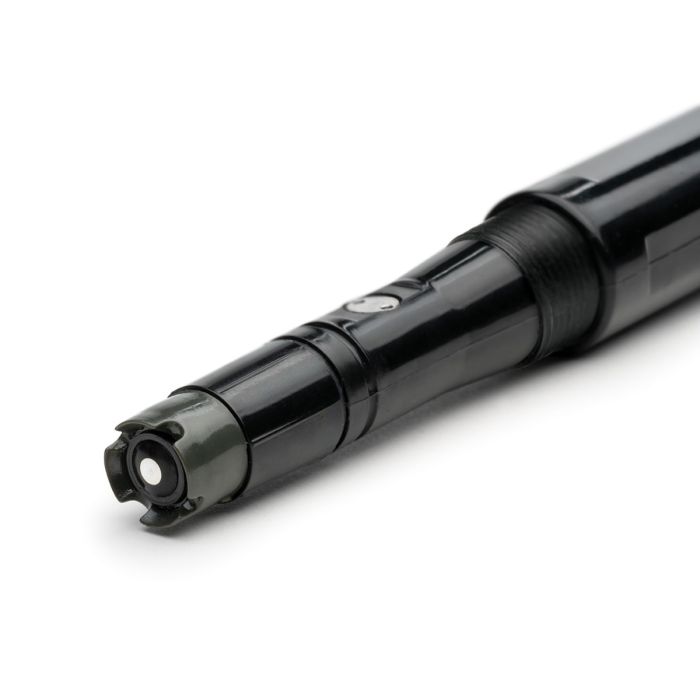
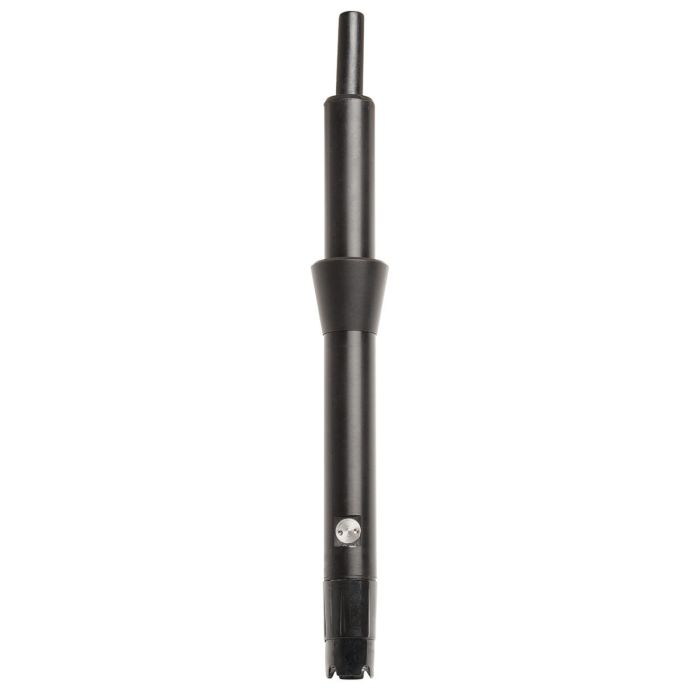
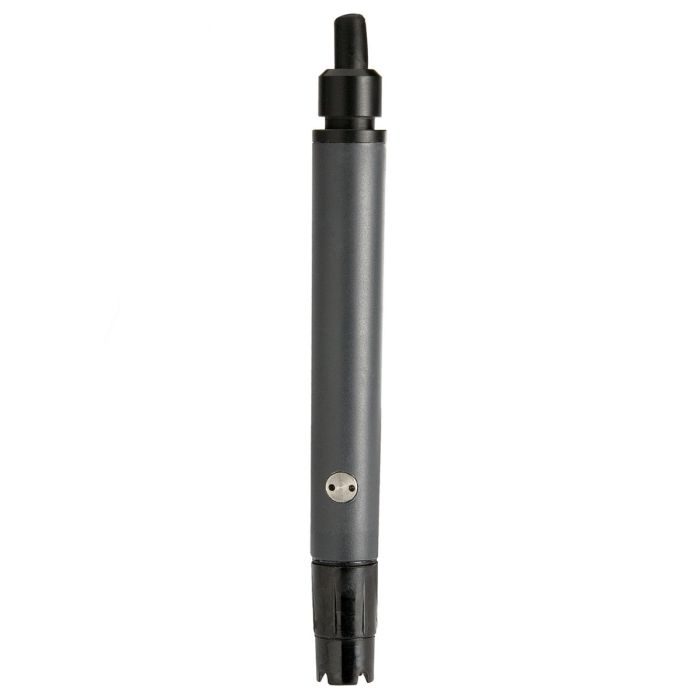
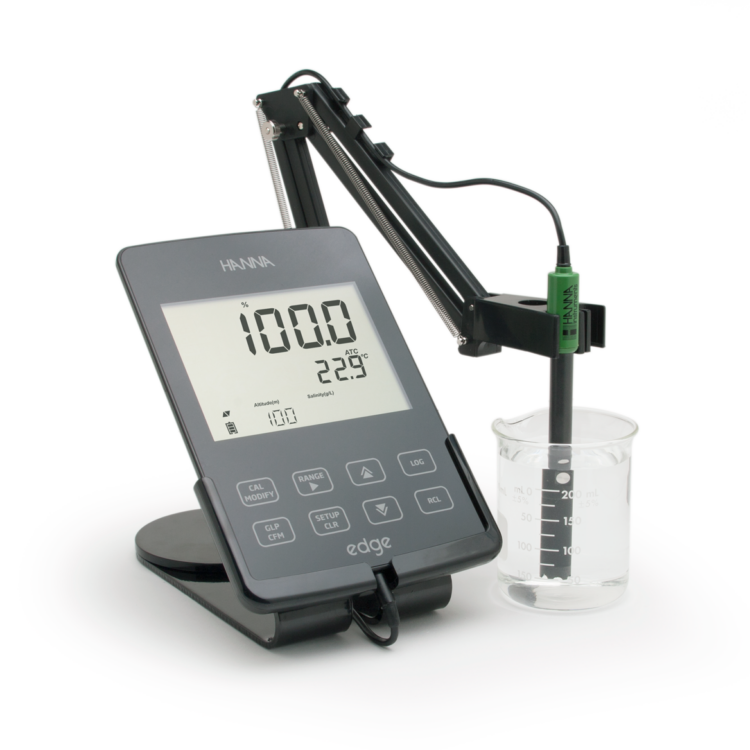
Hanna Instruments offers a variety of methods to measure dissolved oxygen. Products include portable and benchtop meters that use either a Clark-Type Polarographic, Galvanic, or Optical probes.
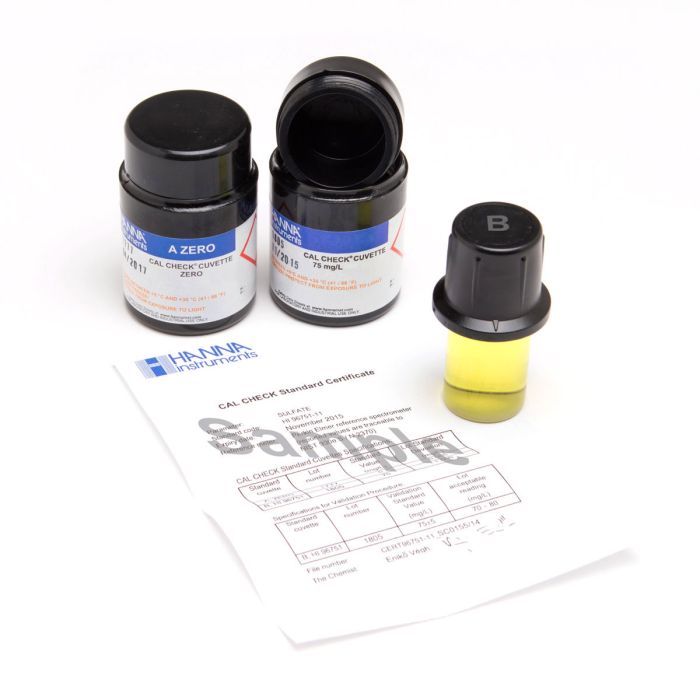
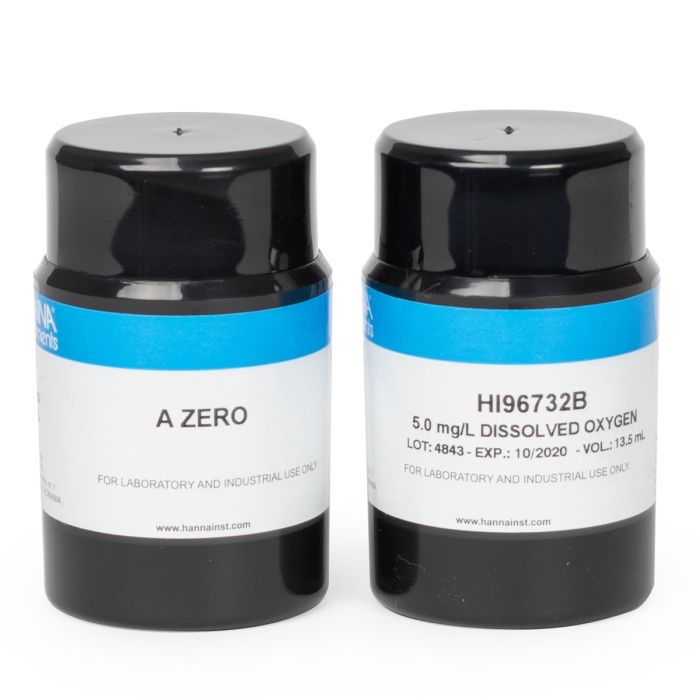
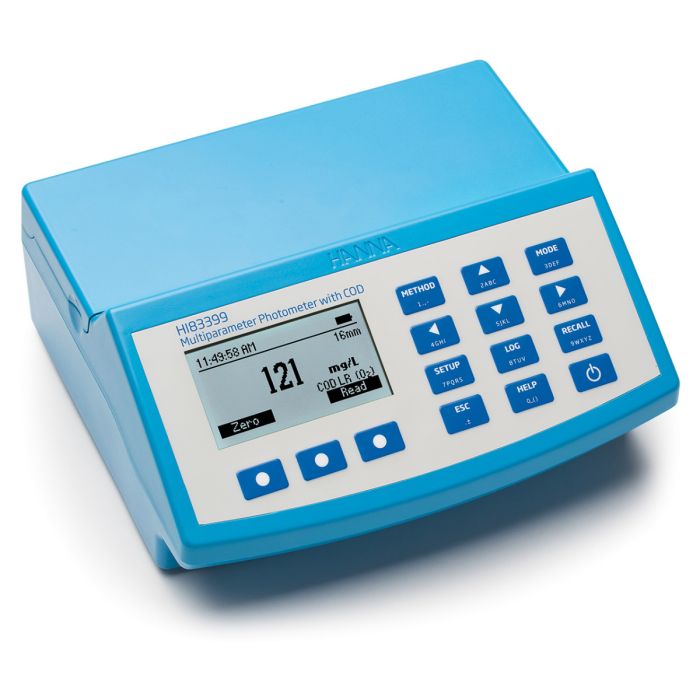
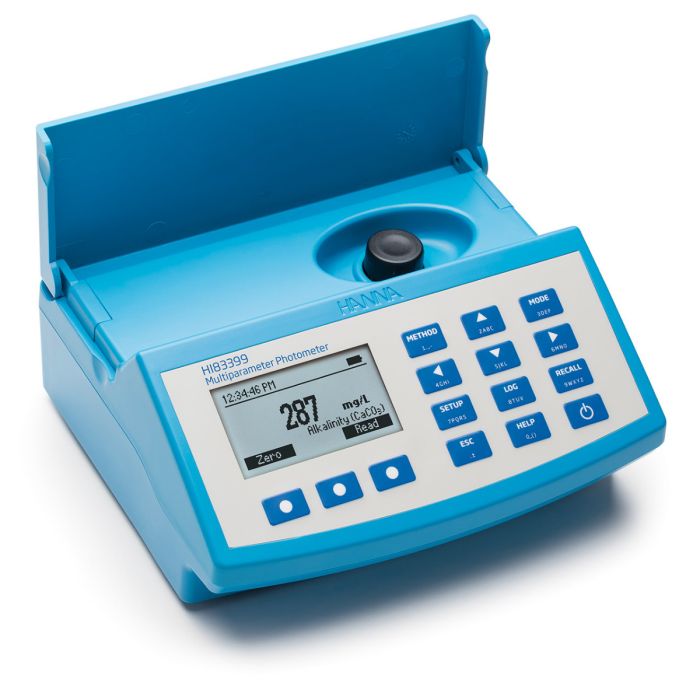
Dissolved Oxygen can also be measured photometrically with reagents. Photometric analysis is based on the Beer-Lambert principle of absorbance. Photometric analysis products include portable and benchtop photometers, and spectrophotometers. Photometric methods include reagent chemistries based on an adaptation of Standard Methods for Examination of Water and Wastewater (23rd edition) Azide modified Winkler method in which there is a reaction that causes a yellow tint in sample.
Chemical Test Kits (CKT) are also available and are simple titrations using a modified Winkler method.

Dissolved oxygen (DO) is a measure of how much oxygen is dissolved in a system. Measurements are usually taken in water using a DO probe and meter. Measurements taken follow Henry’s Law, which states that the concentration of gas in a solution is directly proportional to the partial pressure of that gas above the solution. Henry’s Law constant is a factor of proportionality, and so is specific to the gas in the solvent being measured.
The partial pressure of oxygen is in fact a measurement of the thermodynamic activity of its molecules. The rate at which oxygen dissolves, diffuses, and reacts is not determined by its concentration, but by its partial pressure. The Earth’s atmosphere is composed of 20.9% oxygen, and at sea level the atmosphere is 100% saturated with oxygen.
Percent saturation is the amount of DO present per amount of DO possible at a given temperature and pressure. Percent saturation is a common unit for DO measurement since it is based upon the partial pressure of a gas; thus it is correct for determination in any solvent.
Concentration measurements of DO can also use the units of parts per million (ppm) or milligrams per liter (mg/L). In meters that report DO concentration in ppm or mg/L, the solvent is always assumed to be water. In other solvents such as oils or acids, the Henry’s Law constant would be different. In those cases, percent saturation should be used as it is incorrect to use ppm or mg/L.
As the temperature of a solution increases, the particle movement within that solution increases. With greater particle motion, dissolved gases escape more readily from solution. In warm water oxygen is less soluble, while in cold wateroxygen is more soluble. DO concentration in air saturated waters decreases with increasing temperature.
Water quality measurements are vital to environmental monitoring. In quiescent lakes and rivers, the decay of organic matter can cause bacteria levels to increase. The aerobic bacteria consume oxygen, triggering a deficiency that can cause a water body “to die,” killing aquatic plants and animals.
Aquaculture is the breeding, rearing, and harvesting of plants and animals in all types of water environments. Dissolved oxygen is needed by fish, zooplankton, and plants to survive and reproduce. DO measurements are used to monitor and control the environment required for success.
Wastewater treatment plants rely on bacteria to break down the organic compounds found in water. If the amount of dissolved oxygen in the wastewater is too low, these bacteria will die and septic conditions will occur. The amount of DO must be consistently monitored to ensure proper waste treatment.
Wine and beer are both affected by oxygen at various stages during production and storage. DO is an important parameter to monitor for those who wish to produce consistent, high quality products.
Hanna Instruments offers a variety of methods to measure dissolved oxygen. Products include portable and benchtop meters that use either a Clark-Type Polarographic, Galvanic, or Optical probes.
Dissolved Oxygen can also be measured photometrically with reagents. Photometric analysis is based on the Beer-Lambert principle of absorbance. Photometric analysis products include portable and benchtop photometers, and spectrophotometers. Photometric methods include reagent chemistries based on an adaptation of Standard Methods for Examination of Water and Wastewater (23rd edition) Azide modified Winkler method in which there is a reaction that causes a yellow tint in sample.
Chemical Test Kits (CKT) are also available and are simple titrations using a modified Winkler method.
Showing 1–20 of 39 results
<!--
-->Ships within 24 hours (business days)
Pre-order, Ships within 8-9 Weeks​
<!--
-->Ships within 24 hours (business days)
Pre-order, Ships within 8-9 Weeks​
<!--
-->Ships within 24 hours (business days)
<!--
-->Ships within 24 hours (business days)
<!--
-->Ships within 24 hours (business days)
<!--
-->Ships within 24 hours (business days)
<!--
-->Ships within 24 hours (business days)
<!--
-->Ships within 24 hours (business days)
<!--
-->Ships within 24 hours (business days)
<!--
-->Ships within 24 hours (business days)
<!--
-->Ships within 24 hours (business days)
<!--
-->Ships within 24 hours (business days)
<!--
-->Ships within 24 hours (business days)
Pre-order, Ships within 8-9 Weeks​
<!--
-->Ships within 24 hours (business days)

<!--
-->Ships within 24 hours (business days)
Pre-order, Ships within 8-9 Weeks​