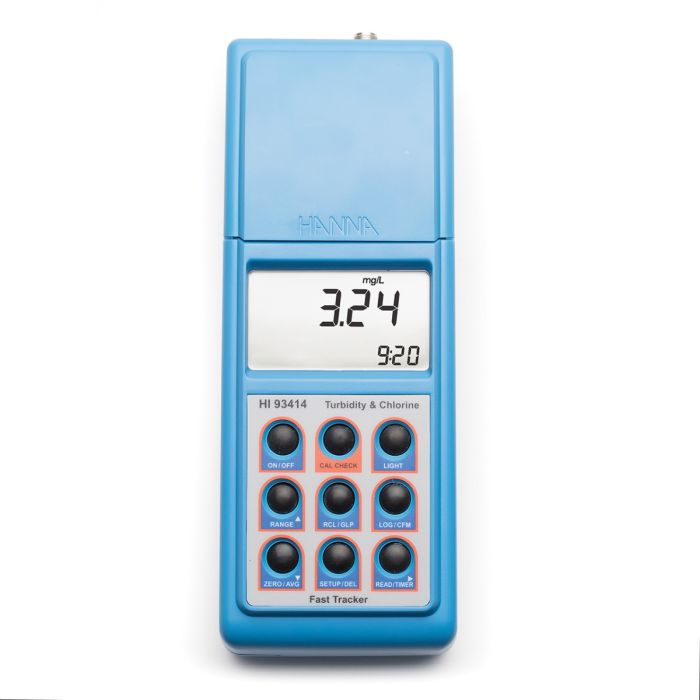
Turbidity
Turbidity
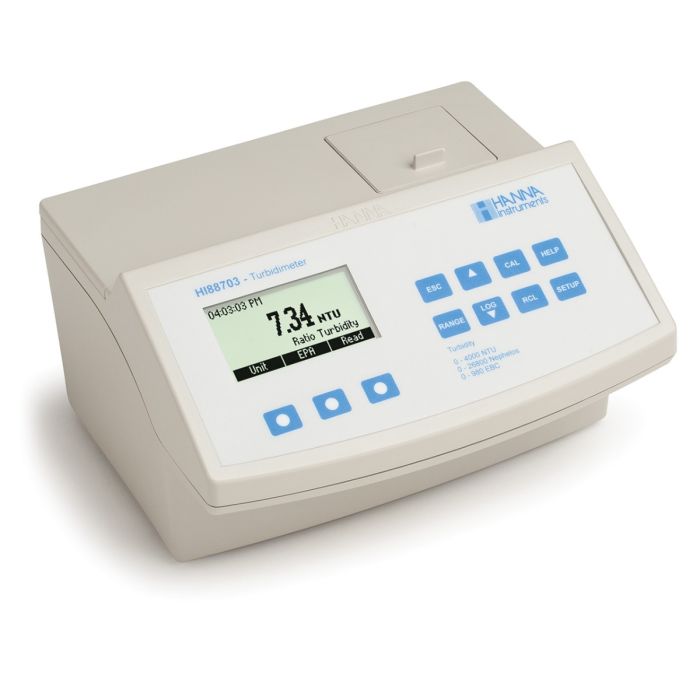
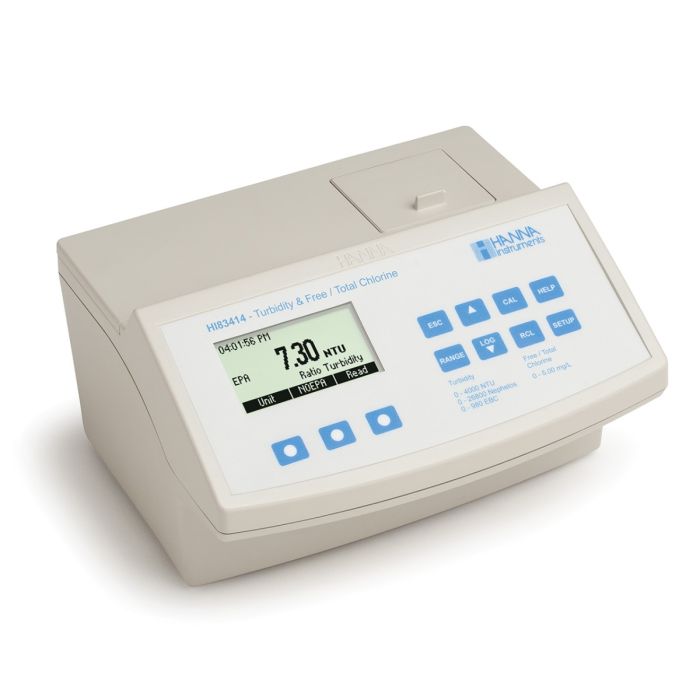
Turbidity of water is an optical property that causes light to be scattered and absorbed, rather than transmitted. The scattering of light that passes through a liquid is primarily caused by suspended solids. The higher the turbidity, the greater the amount of scattered light. Even a very pure fluid will scatter light to a certain degree; no solution has zero turbidity. There are different measurement standards used based on applications, and with these standards are applied units. The ISO standard adopted the FNU (Formazin Nephelometric Unit) while the EPA uses the NTU (Nephelometric Turbidity Unit).Other units include the JTU (Jackson Turbidity Unit), FTU (Formazin Turbidity Unit), EBC (European Brewery Convention Turbidity Unit) and diatomaceous earth (mg/L SiO2). There are three analytical test methods for turbidity: ISO 7027 “Water Quality: Determination of Turbidity” USEPA Method No.180.1, “Turbidity” Seawater and Wastewater No.2130, “Turbidity” Specific wavelengths are recommended for each method. For the USEPA and Standard Methods, the wavelength in the visible range of the spectrum is recommended, where the European ISO method requires an infrared light source.
Showing all 17 results